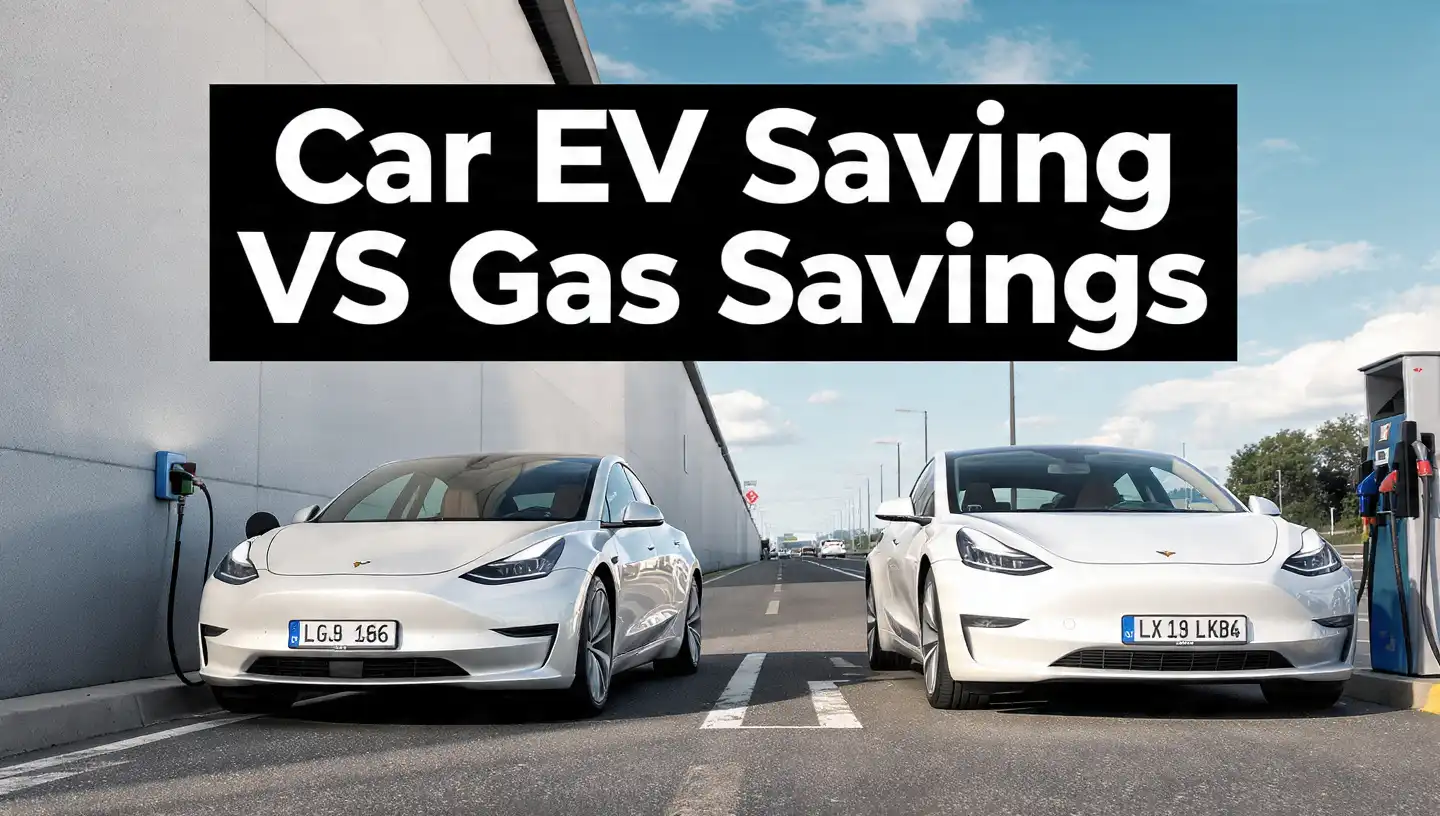
The Math Behind the Switch
It's easy to see the savings at the pump, but the real financial advantage of an EV comes from the Total Cost of Ownership (TCO) over 5+ years.
"Fuel" Arbitrage
Charging at home is like buying gas for $1.00/gallon. The national average for electricity is ~$0.16/kWh. An efficient EV drives 4 miles per kWh. That means you pay 4 cents per mile, compared to 15-20 cents for gas.
The Maintenance Myth
People fear battery replacements, but they forget what they are not paying for. No oil changes. No transmission fluid. No spark plugs. No timing belts. No emission checks.
While you save on fuel and maintenance, be aware of Depreciation.
Used EVs have historically depreciated faster than Toyota/Honda equivalents due to rapidly
changing tech and price wars (e.g., Tesla price cuts).
Strategy: Lease your EV to hedge against depreciation, or buy it used (letting
someone else take the depreciation hit) to maximize savings.
EV Savings FAQ
Yes. DC Fast Charging (Supercharging) can cost $0.35-$0.50/kWh, which is close to the cost of gas. To truly save money, you must be able to charge at home 90% of the time.
Cold weather reduces EV range by 20-30%, meaning you need to charge more often. However, even with reduced efficiency, electricity is still significantly cheaper than gas in most regions.